
Move Your Business Data to NetSuite with Confidence
LST Consultancy helps businesses prepare, clean, map, transfer, and validate data for Oracle NetSuite.
Whether migrating from a legacy ERP or consolidating data from multiple systems, we focus on data accuracy, secure handling, and minimal disruption to daily operations.

Make Your Transition to NetSuite More Organized
Moving data to NetSuite requires proper data cleaning, mapping, and validation to ensure accuracy and readiness.
LST Consultancy supports every stage of migration, from data preparation and testing to execution and post-migration support.


- #1
Prepare Data for Migration
Review existing records, identify data quality issues, and organize information before moving it into NetSuite.
- #2
Map Data to the Right Fields
Align information from your source system with the appropriate fields and record structures in NetSuite.
- #3
Support Data Accuracy
Use data checks, test migrations, and validation activities to identify inconsistencies and help confirm that migrated records meet the agreed requirements.
- #4
Minimize Business Disruption
Plan migration activities around your business operations, dependencies, and go-live requirements to help reduce unnecessary disruption.

NetSuite Data Migration Services by LST Consultancy
LST Consultancy helps businesses assess, cleanse, map, import, and validate the data they move into NetSuite, from master records and open transactions to opening balances and selected history.
NetSuite Go-Live and Post-Migration Support
Address migration-related issues and assist with data corrections after go-live, based on the agreed scope.

Data Cleansing and Preparation
Identify duplicate records, missing information, and inconsistent formats before migration.

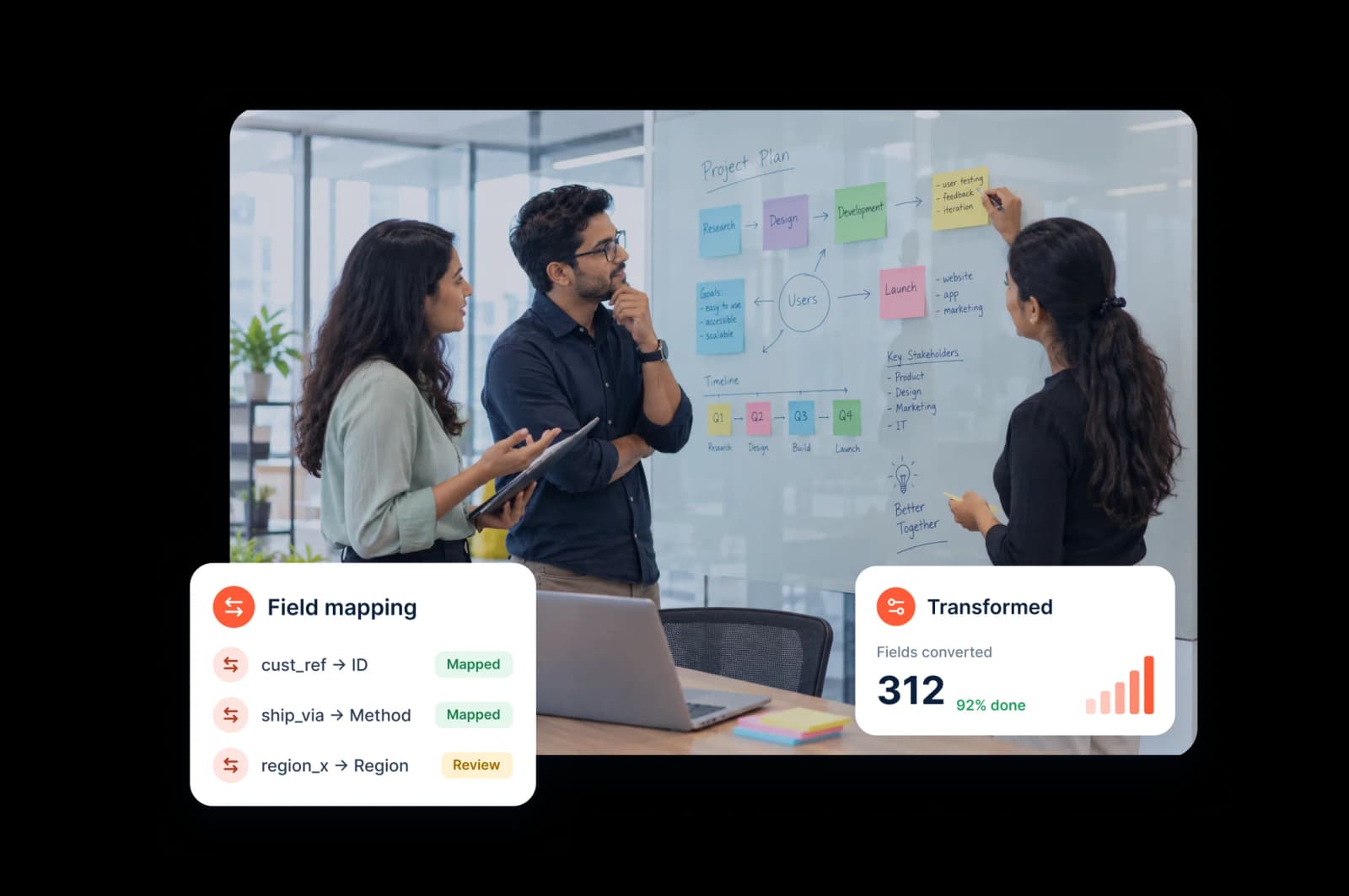
NetSuite Data Mapping and Transformation
Map source fields to NetSuite fields and adjust data formats to meet system requirements.

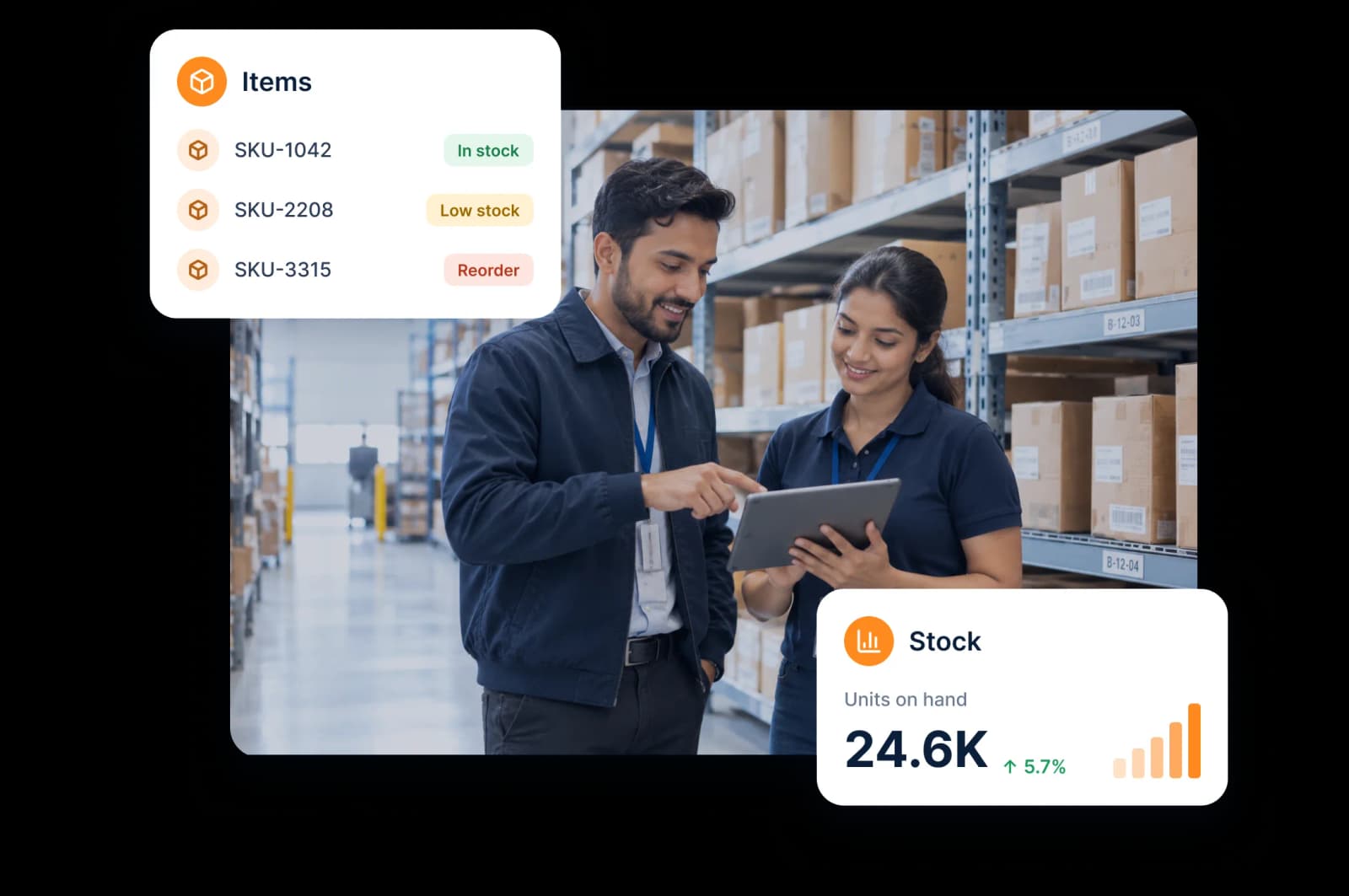
Inventory and Product Data Migration
Prepare product and inventory records, including item details and relevant inventory fields.
Customer and Vendor Data Migration
Clean, standardize, and map customer and vendor records for transfer into NetSuite.
NetSuite Data Assessment and Planning
Assess source systems, data structures, and migration requirements to plan the migration process.
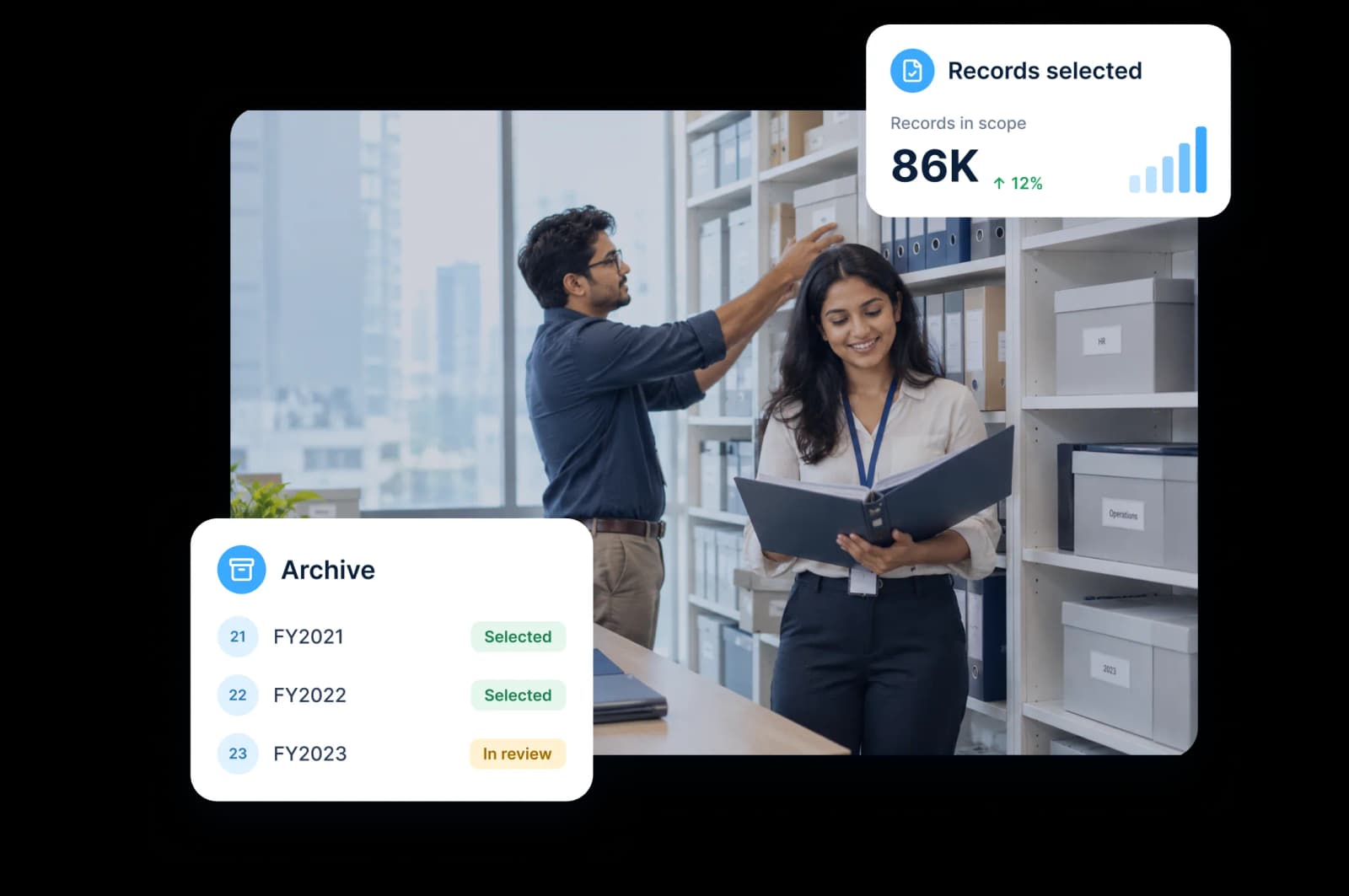
Historical Data Migration
Plan the migration of relevant historical records based on your reporting and business needs.

Financial Data Migration
Prepare relevant financial records, balances, and transactions according to your migration scope.

Data Testing and Validation
Check migrated records for missing information, duplicates, and mapping inconsistencies.
NetSuite CSV Data Import
Prepare and organize CSV files, map columns, and check required fields before importing data.
What Data Can Be Migrated to NetSuite?
The records included in a migration depend on your source system, NetSuite configuration, data quality, and business requirements. Depending on the agreed scope, NetSuite data migration may include the following categories.
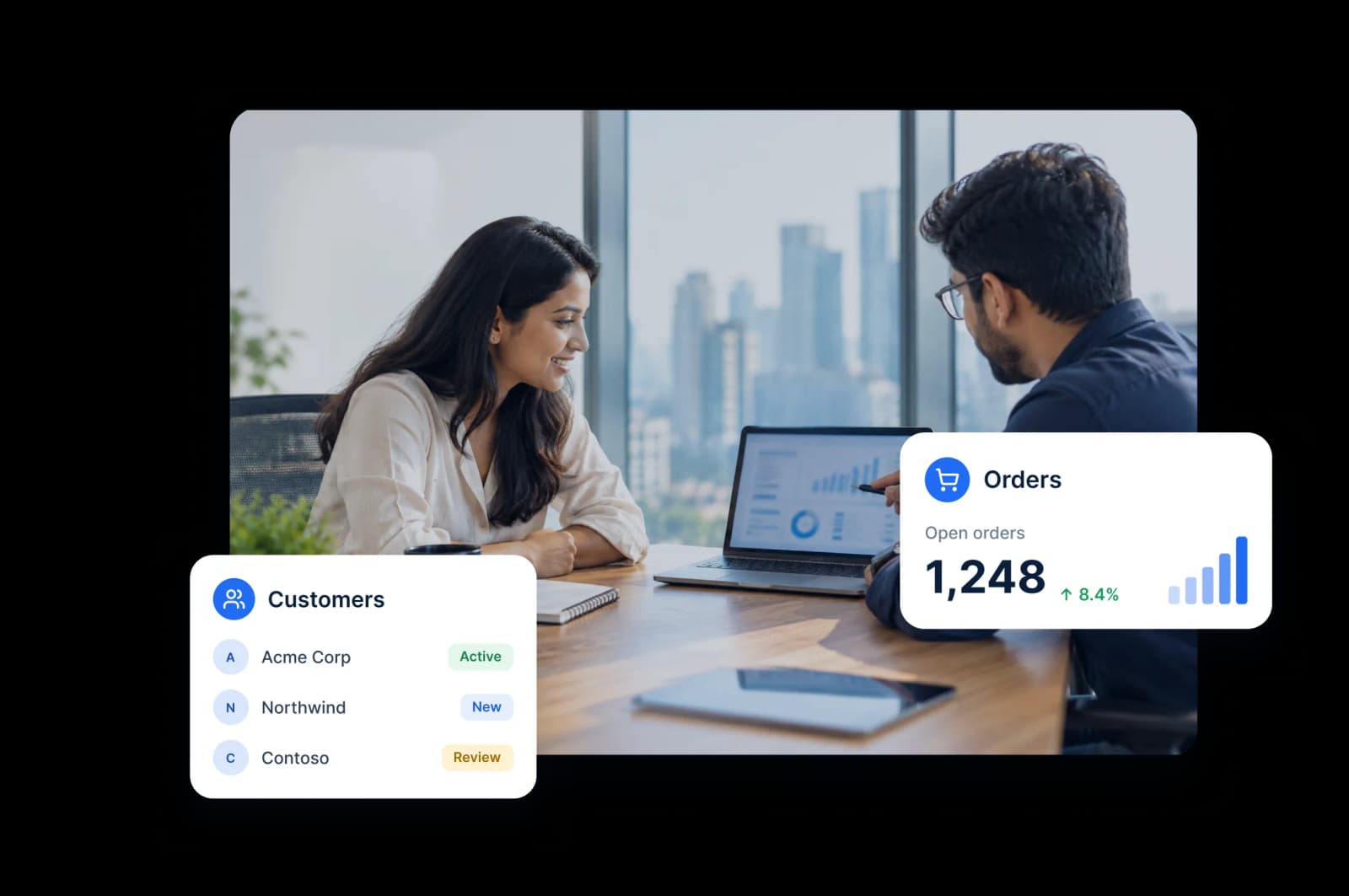
Move relevant customer information into NetSuite to support customer management, transactions, and reporting.
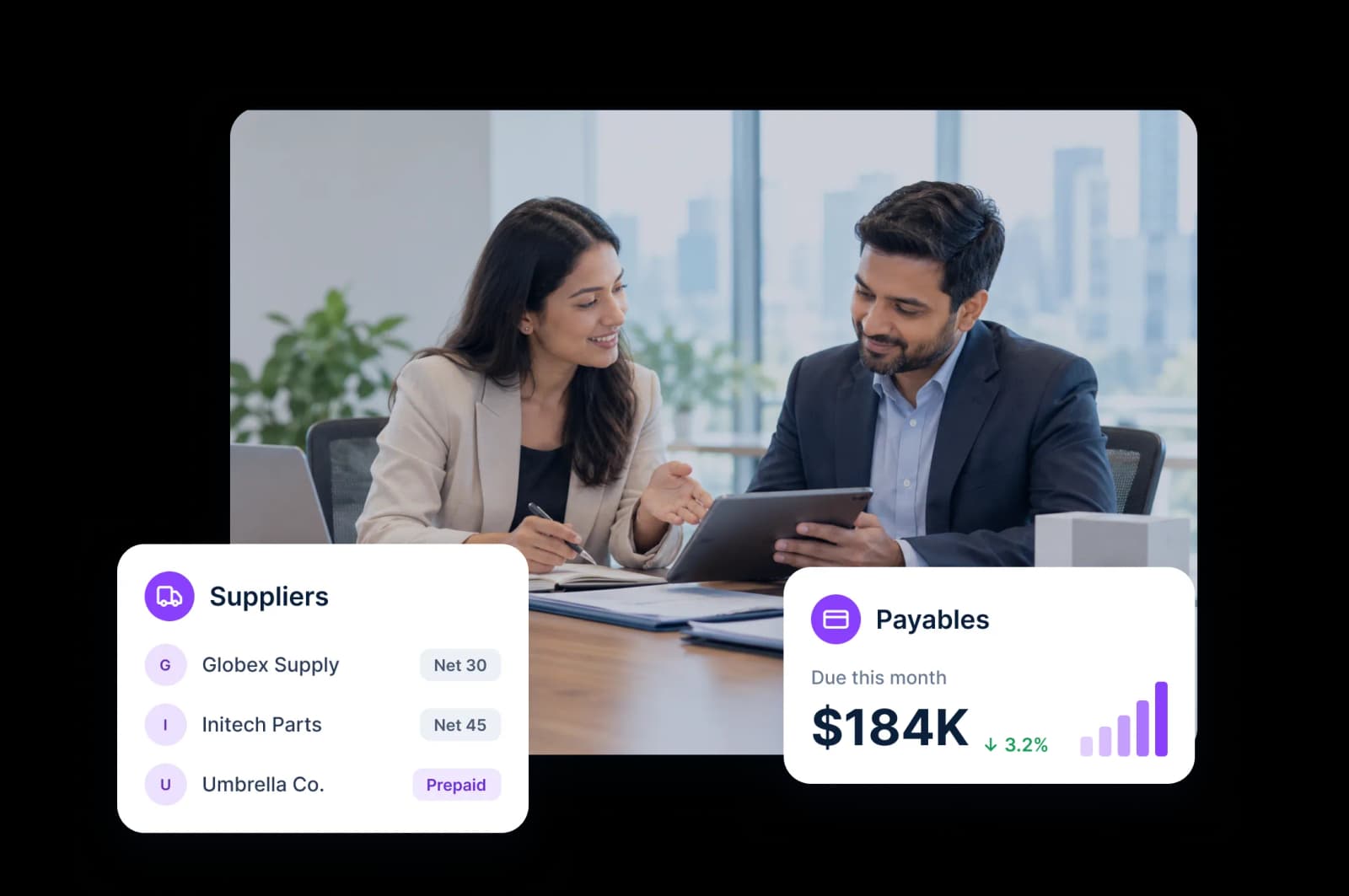
Transfer supplier details and related information required for procurement, accounts payable, and other business processes.
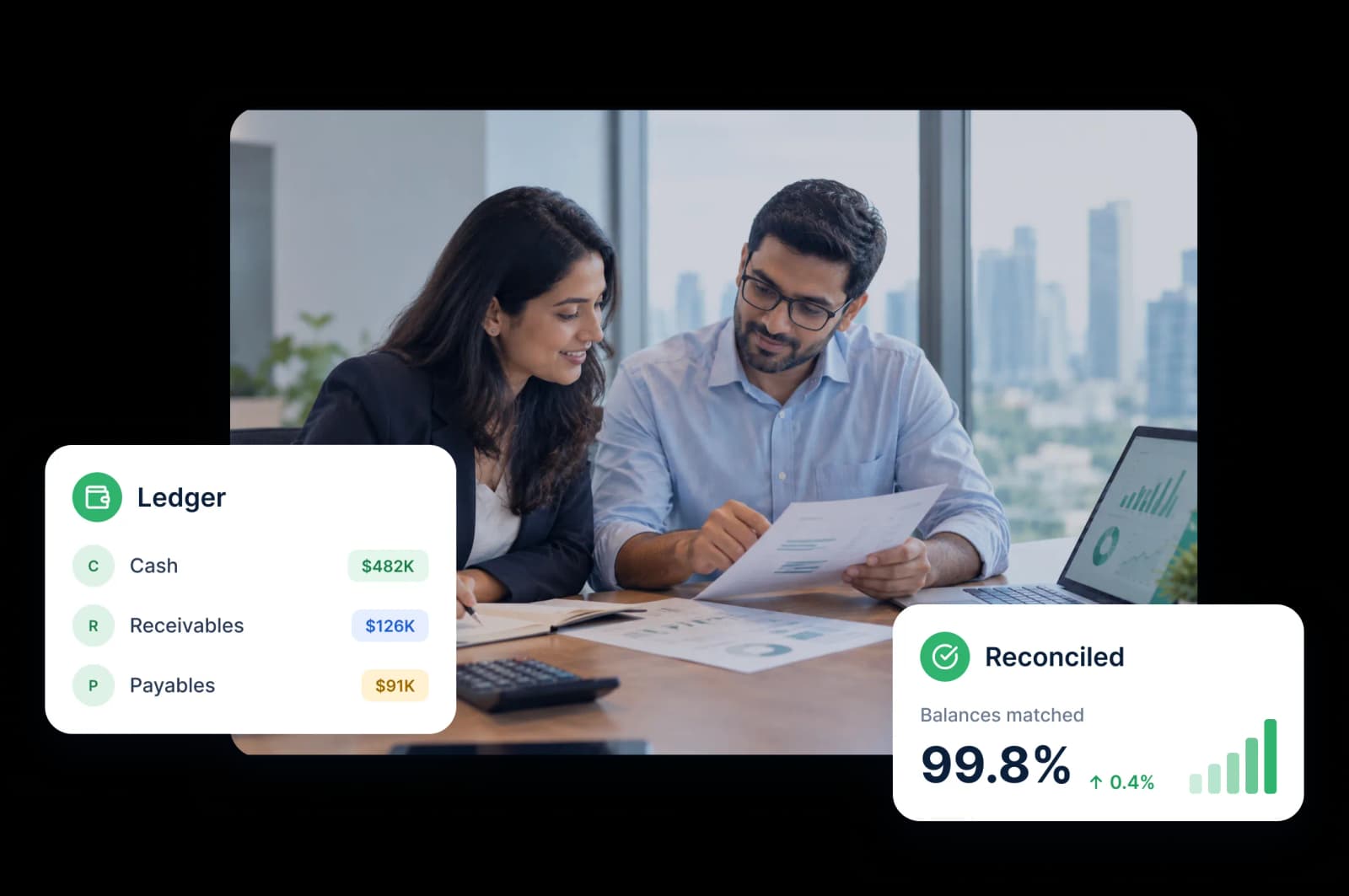
Prepare relevant financial data, account information, balances, and transaction records according to the migration and reconciliation plan.
Move item records and relevant inventory information to support product management and operational processes.
Migrate appropriate employee information where required, subject to system configuration, access controls, privacy requirements, and the agreed scope.
Transfer selected historical records required for operational continuity, reporting, or business reference.
Assess custom records and fields to determine how they should be mapped, transformed, and migrated into the target NetSuite environment.



What Can NetSuite Data Migration Help Your Business Achieve?
A well-planned migration helps establish a reliable data foundation for your NetSuite environment. The results depend on the quality of the source data, migration scope, testing, and how the target system is configured.

Improve Data Consistency
Clean and standardize records before migration to help reduce inconsistencies across customer, vendor, product, and other business information.

Support More Reliable Reporting
Prepare data carefully so migrated information can support reporting and analysis in the new ERP environment.

Reduce Duplicate and Outdated Records
Review source data to identify duplicates, outdated information, and records that may not need to be transferred.

Support Business Continuity
Plan migration activities, testing, and cutover requirements to help minimize unnecessary disruption during the transition.

Build a Stronger ERP Data Foundation
Organize relevant business information so it is ready to support your NetSuite processes, reporting requirements, and future system use.

Improve Data Readiness for Go-Live
Validate migrated records and address identified issues before relying on the new system for everyday business activities.
Common NetSuite Data Migration Challenges We Help Address
Data migration projects can involve technical, operational, and data quality considerations. Identifying these early helps businesses plan the work more effectively.
Source systems may use different date formats, naming conventions, field structures, or units of measure. Data preparation and transformation help align information with the target requirements.
Existing systems may include custom fields or records that do not map directly to standard NetSuite fields. These requirements should be assessed before deciding how the data will be handled.
Migration activities need to align with business schedules, system dependencies, and cutover plans. Appropriate planning and testing help reduce avoidable disruption.
Duplicate entries or missing information can affect the quality of migrated records. Reviewing and cleansing data before migration helps identify these issues.
Large datasets may require careful planning, staged migration, testing, and validation to manage processing requirements and operational dependencies.
Some records depend on other records or reference information stored elsewhere in the source system. These dependencies need to be considered when planning the migration sequence.
Migration may involve sensitive financial, customer, employee, or business information. Access permissions, transfer methods, and handling procedures should be planned according to the project's security requirements.
Our NetSuite Data Migration Process
LST Consultancy follows a structured approach to help organize migration activities and validate the results against agreed requirements.

Assess and Plan
We review your existing systems, data sources, record types, dependencies, and business objectives to define the migration scope and plan.

Clean and Prepare
We help identify duplicates, inconsistent values, missing information, and other data quality issues that need attention before migration.

Map and Transform
We map source data fields to the appropriate NetSuite fields and identify any required transformations to align information with the target structure.

Test the Migration
We perform test migration activities where appropriate to check data mapping, identify issues, and review how records appear in the target environment.

Execute the Migration
We carry out the agreed data transfer activities using suitable methods based on the source system, target configuration, and migration requirements.

Validate the Results
We review migrated records against the agreed checks. Depending on the data involved, validation may include record counts, required fields, relationships, and financial reconciliation.

Support Go-Live
We support the agreed final migration and transition activities, helping address issues identified during the go-live process.

Provide Post-Migration Support
After migration, we can assist with identified data issues, corrections, and related support requirements according to the agreed scope.
NetSuite Data Migration for Different Business Needs
Businesses move data to NetSuite for different reasons. The migration strategy should reflect the purpose of the project and the systems involved.






The appropriate migration method depends on the source platforms, data volume, record structures, business priorities, and technical requirements.
Why Choose LST Consultancy for NetSuite Data Migration Services?

We organize migration work into clear stages, including assessment, preparation, mapping, execution, validation, and support.
We consider data cleansing, formatting, mapping, and validation as important parts of preparing business information for NetSuite.
We plan migration activities around your source systems, data types, NetSuite environment, and business objectives.
LST Consultancy's broader data migration services cover multiple enterprise platforms, including NetSuite, Salesforce, SAP, Microsoft Dynamics, and other systems listed in our service portfolio.
Migration planning should account for the sensitivity of business information, access permissions, and appropriate data-handling procedures throughout the project.
Our approach considers the stages before and after migration, including preparation, testing, validation, go-live activities, and post-migration assistance.
Alongside data migration, LST Consultancy provides NetSuite implementation, integration, administration, consulting, and related services to support different stages of your ERP journey.
Prepare Your Data for a More Reliable NetSuite Environment
Successful data migration begins with understanding your existing information and how it needs to work in the target system.
By assessing, cleaning, mapping, transferring, and validating data, businesses can establish a more organized foundation for their NetSuite environment.
LST Consultancy helps businesses plan NetSuite data migration around their systems, data requirements, and operational needs—from initial assessment through migration execution and post-migration support.

Frequently Asked Questions
Find answers to common questions about our NetSuite Data Migration Services.

Still have questions?
Can't find the information you're looking for? Talk to our team about your specific requirements.
NetSuite data migration services move business data from your current systems into Oracle NetSuite. Led by NetSuite data migration consultants, the work covers assessing the source systems, cleansing and mapping records, importing them in the right order, testing in a NetSuite sandbox account and validating the results, so customers, vendors, items, open transactions and opening balances are ready for go-live.
Typically customer, vendor and contact records, items and inventory, the chart of accounts, employees, open transactions such as invoices, bills, and sales and purchase orders, opening balances, custom records and fields, and selected historical data. The final scope depends on your source system, NetSuite configuration and business requirements.
Yes. We migrate data to NetSuite from legacy ERP and accounting systems such as QuickBooks, Sage, Xero, Microsoft Dynamics GP, NAV and Business Central, SAP Business One, Epicor and in-house databases. Each source is assessed for data quality, field compatibility and record relationships before the migration is planned.
Data mapping links each field in the source system to the matching NetSuite record and field, for example a legacy customer type to a NetSuite customer category. It also records the transformations each field needs, such as date and currency formats, list values, and subsidiary, department or class assignments, and it becomes the basis for the import templates.
Duplicate, incomplete or inconsistent records cause failed imports and unreliable reports once they reach NetSuite. Cleansing before migration lets you merge duplicates, standardize formats, fill required fields and leave inactive records behind, so NetSuite starts with data your teams can rely on.
Yes. NetSuite's CSV Import Assistant loads CSV files into most standard and custom records. We prepare a CSV template for each record type and use saved import maps and External IDs so files can reference each other and imports can be rerun. Each CSV import is limited to 25,000 records, so large data sets are split into several files or loaded with SuiteScript or SuiteTalk web services instead.
We run test imports in a NetSuite sandbox account first, then compare record counts with the source, check sample records field by field, confirm required fields and relationships such as contacts on customers and items on transactions, and reconcile the trial balance, open receivables, open payables and inventory value with your finance team before go-live.
Most NetSuite data migrations take 3 to 8 weeks as part of the wider implementation. A single accounting system with opening balances only sits at the shorter end; several source systems, subsidiaries, large volumes or full transaction history take longer. We confirm the timeline after assessing your data.
Limit who can access migration files, transfer data through secure channels rather than email, apply role-based permissions in NetSuite, leave out sensitive fields the new system does not need, and delete working copies once the migration is signed off. We agree these data-handling steps with you at the start of the project.
Yes. After go-live we help resolve data issues, make corrections and load any remaining records, and we can stay with your finance team through the first month-end close in NetSuite. Ongoing help is available through our NetSuite administration services.
NetSuite administration servicesNot usually. Many businesses migrate master data, open transactions and opening balances, plus one to three years of summarized monthly balances for comparative reporting, and keep the old system read-only for older look-ups. Full transaction-level history makes sense when audit, reporting or customer-history needs require it.
Contact LST Consultancy to book a consultation. We start with an assessment of your source systems, record volumes and data quality, then recommend a migration approach, history scope and timeline for your NetSuite project.
Contact LST ConsultancyMove Your Business Data to NetSuite with LST Consultancy
Planning a NetSuite migration? Get support for data assessment, cleansing, mapping, transfer, testing, and validation based on your business requirements.
LST Consultancy can help you plan a structured approach to moving your business data into Oracle NetSuite.